
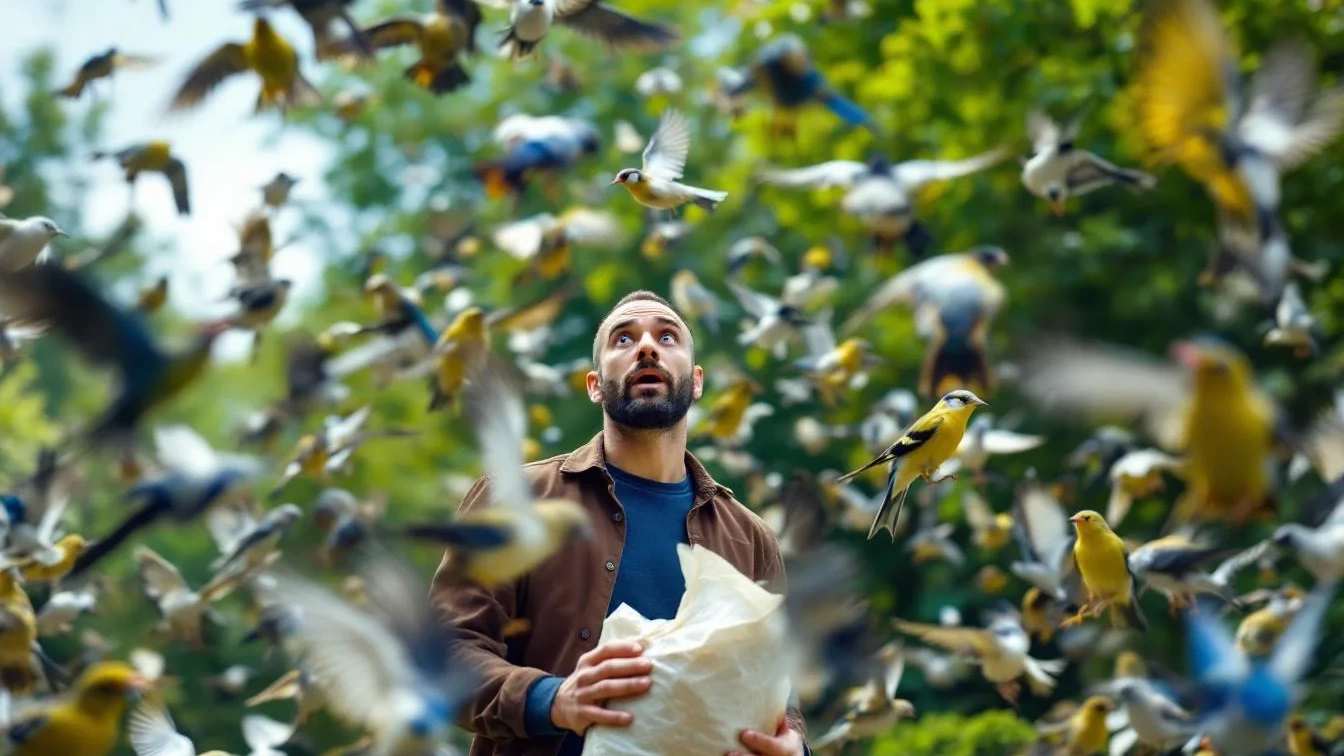

Picture this: a crisp January morning, sunlight breaks through the skeletal branches, illuminating a small park where curious onlookers scatter breadcrumbs to a flock of vibrant birds. It seems innocent enough, right? After all, we love connecting with nature and supporting our feathered friends. However, this seemingly harmless act can lead to serious ecosystem disruption. Let’s dive into the complex web of wildlife interaction and understand the consequences of our well-meaning bird feeding practices.
Highlights
- 🍞 Bread is not nutritious for birds and can lead to health issues.
- 🦢 Feeding bread attracts pests and disrupts the natural balance.
- 💔 Health risks include conditions like angel wing and malnutrition.
- 🌱 Explore healthier alternatives for bird feeding that support wildlife.
As I reflect on past winters spent tossing breadcrumbs to flocks of ducks, I now realize that my intentions, though pure, may have led to unintended consequences. Let’s take a closer look at why we need to reconsider our bird feeding habits during these chillier months.
The Nutritional Pitfalls of Bread
Feeding birds bread is a tradition many of us cherish. Yet, this well-loved staple is largely composed of carbohydrates and lacks the essential nutrients that birds need for survival. For example, a slice of white bread offers minimal protein and fat content, leaving our feathered friends filled but nutritionally depleted. This can be detrimental to their health, especially for developing chicks that need proper nourishment.
Moreover, when birds like ducks and geese gorge on bread, they risk missing out on other vital food sources that would keep them healthy. Honestly, it’s a bit like filling ourselves up with junk food and skipping the veggies! To avoid this, consider adopting a more balanced approach to what we offer them.
The Health Risks Involved
The ramifications of feeding bread extend beyond mere nutrition. One of the most alarming issues is the prevalence of moldy bread, which poses serious health risks to birds. Consuming mold can lead to respiratory problems, digestive distress, and, in severe cases, even death. Additionally, a steady diet of bread has been linked to conditions such as angel wing, a deformity that prevents waterfowl from flying.
Another consequence of our feeding habits is the rising incidence of pests. Crumbs left unattended can attract rats, insects, and other wildlife, ultimately disrupting the delicate food chain within these ecosystems. Imagine a once-peaceful park turning into an unkempt environment filled with unwelcome guests! We must consider our actions and their implications—not just for the birds but for the entire communal habitat.
Opt for Healthier Alternatives
Alright, I get it—you love feeding birds! Instead of bread, consider these healthier alternatives that will truly benefit our avian friends:
- 🌻 Seeds and Grains: Sunflower seeds, millet, and nyjer seeds are great sources of nutrition.
- 🍏 Fruits: Apples, berries, and raisins are delightful treats packed with vitamins!
- 🥜 Nuts: Unsalted peanuts make for high-energy meals—just ensure they’re shelled.
- 🍙 Cooked Grains: Small amounts of unseasoned rice or oats offer an alternative treat without the fillers.
Switching to these options not only nurtures bird health but also promotes biodiversity, attracting various species to your backyard. You may even find that your appreciation for nature deepens as you observe these creatures thrive!
Understanding the Broader Environmental Impact
The consequences of our feeding choices ripple through the ecosystem. By introducing non-native foods or relying heavily on bread, we risk altering animal behavior and upsetting the natural population dynamics. Birds that get too used to human-provided food lose critical survival skills, potentially making them more vulnerable during tough seasons.
Furthermore, bread can encourage unnatural interactions among species, disrupting their established dynamics. Wild birds that flock toward human feeders often become reliant, straying from their natural habitats. This push toward human intervention can shift the delicate balance of our ecosystems, leading to long-term harms that we might not immediately see.
As we approach the end of winter, let’s commit to being better stewards for the creatures we love to watch. Embracing a more responsible feeding slate will not only enhance their health but also invite a richer tapestry of life to our backyards.
Call to Action
Let’s make a conscious effort to refrain from feeding bread to birds. Instead, take a moment to explore local nature reserves or engage with online communities that share tips on wildlife-friendly habits. Remember, by understanding the wildlife impact of our actions, we can foster healthier bird populations and vibrant ecosystems. Are you ready to shift your bird feeding practices? Let’s roll up our sleeves and make a positive change!
In closing, we have the power to change our habits, support healthy wildlife, and reinforce the rich habitat we share. The choices we make today will echo into the future for generations of birds and the ecosystems they inhabit. Let’s make them count!