
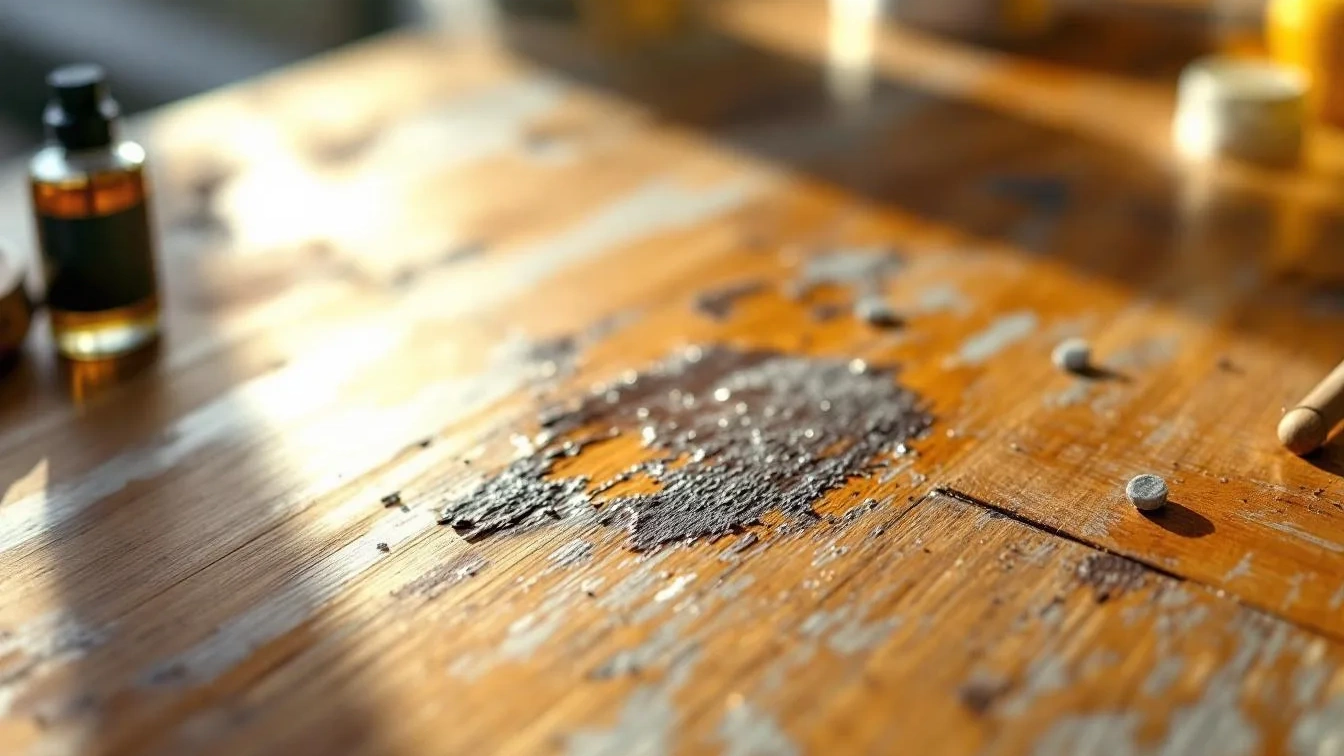

When it comes to cleaning wood furniture, there’s a lot of chatter about natural solutions. But what if I told you that a beloved household staple, known for its versatility, could be doing more harm than good? That’s right, I’m talking about vinegar. You might have heard it praised as a miracle cleaner, yet it harbors some hidden dangers for your cherished wooden pieces. This January and February, as we dive into another year, let’s tackle the truth about vinegar and wood care in straightforward terms.
Highlights
- 🍋 Vinegar’s acidity can damage wood finishes.
- 🚫 Common cleaners often contain harmful chemicals.
- 🌿 Natural alternatives aren’t always safer.
- 🪑 Proper wood care extends the lifespan of your furniture.
Understanding the Dangers of Vinegar on Wood
I’ll be straight with you: vinegar is an acidic cleaner. While it shines in many areas of household cleaning, when it comes to wood, it can strip finishes and leave your furniture looking worse for wear. I remember the time I decided to test this natural cleaner on my antique oak dining table. I was excited, thinking I was being eco-friendly. A few days later, I noticed dull patches and even some discoloration. Talk about a buzzkill!
Most wood cleaners should ideally hover around a neutral pH of 7. Anything too acidic or alkaline can wreak havoc on your wood finishes. Here’s what you need to know:
- 🔴 Acidic cleaners strip protective finishes, leading to a lackluster appearance.
- 🔵 Alkaline cleaners can cause discoloration and compromise the wood’s integrity.
Think of your furniture finishes like a protective shield. Once it’s stripped away, your wood is open to scratches and stains, leading to costly repairs. Are you starting to see why vinegar might not be your best friend?
Natural Cleaners: Are They Really Safe?
Now, I know what you’re thinking: “But Dana, I’ve heard of natural alternatives like olive oil and beeswax that are safe for my furniture!” While these may sound great, they also come with their own set of drawbacks. For instance, I once used olive oil on my walnut side table, which left it looking gorgeous initially. However, over time, I realized that the oil attracted dust and dirt like a magnet, ultimately making my cleaning routine more intensive. The shine was fabulous, but the maintenance was a headache!
Here’s the scoop:
- 🌟 Olive Oil: Enhances shine but can lead to sticky residues and dust attraction.
- 🐝 Beeswax: Provides a moisture barrier but might darken lighter woods and can trap grime.
It’s essential to consider whether what seems natural really aligns with what’s best for your furniture. Remember, just because it’s natural doesn’t mean it’s harmless!
How to Choose Cleaners Wisely
Let’s pivot into what proper wood care looks like. Choosing the right cleaner goes beyond just avoiding vinegar. It’s about understanding your specific wood type and its needs. Different woods react uniquely to cleaners. For instance, hardwoods can withstand more abrasive methods compared to softer options like pine.
Here are my top insights on choosing the right cleaners:
- 📊 Research eco-friendly products: Many effective cleaners don’t involve harsh chemicals. Look for those that maintain a safe pH balance.
- 🛠️ Tailored cleaning methods: Different woods need different approaches. Always consider your wood’s characteristics.
- ✅ Frequent, gentle maintenance: Rather than deep cleaning, integrate regular dusting into your routine to keep surfaces safe.
Understanding these differences can save your beloved furniture from unnecessary wear. You wouldn’t use sandpaper on a silk shirt, right? Why do the same to your wood?
Effective Tips for Wood Furniture Maintenance
To keep your wood furniture looking its best, adopting best practices is crucial. I found out the hard way that neglecting this can lead to frustration and expense.
Here’s what you should consider:
- 🕊️ Regular dusting: Use a soft, lint-free cloth to prevent scratches from lingering dust.
- 🍽️ Always use coasters and placemats: These protect surfaces from heat and moisture damage.
- ☀️ Control sunlight exposure: Too much direct sunlight can fade and warp your furniture.
- 🔧 Use a wood polish every 6-12 months: This keeps the finish fresh and maintains clarity.
Remember, over-cleaning can lead to wear and tear on the finish, so find a balance based on your usage. Less isn’t just more; it’s essential!
Join the Conversation on Furniture Care!
Now that you’re armed with insight about natural cleaners and wood care, I encourage you to take a moment and evaluate the products you use on your furniture. Are you still reaching for that classic bottle of vinegar? It’s time to rethink your choices.
Your furniture deserves more than average care; it requires thoughtful maintenance to preserve its beauty. If you found this information helpful, be sure to come back for more practical tips. Together, we can keep our cherished pieces in top shape, making sure they last through the years. Share your best furniture care tips in the comments below—let’s learn from one another!