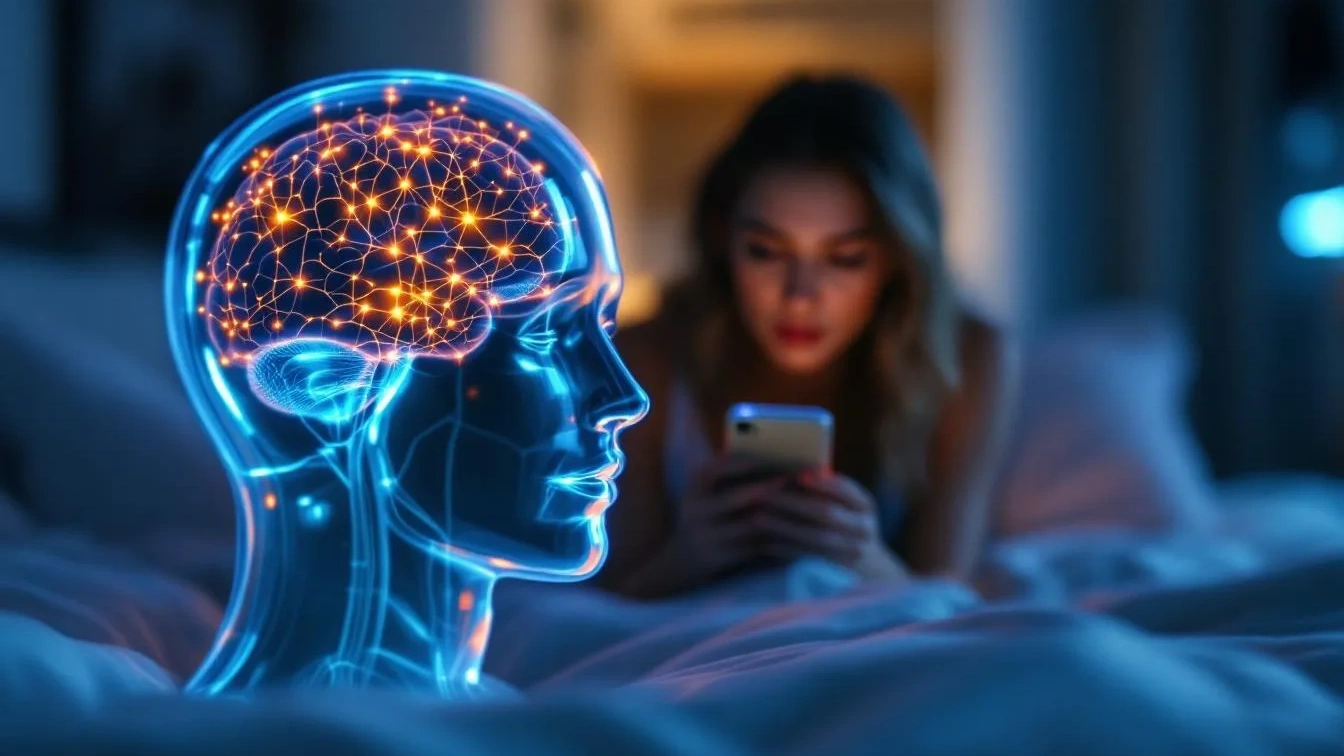

It’s 2 a.m., and I’m wide awake again. The ceiling stares back at me, a blank canvas for my anxious thoughts. I’ve tried counting sheep, warm milk, and even a hot bath, but none seem to quiet the buzzing in my brain. What is it about those quiet, dark hours that makes sleep feel so elusive? It turns out that rather than “counting sheep,” we might need a deeper understanding of our sleep cycles and mental habits.
Highlights
- 🌙 Over two-thirds of Americans struggle with insomnia weekly.
- 💤 Sleep deprivation negatively impacts both physical and mental health.
- 🌿 Some common sleep aids can disrupt your natural rhythms.
- ✨ Visualizing calm scenes may be more effective than counting sheep!
Each of us has our own sleep story, colored with personal experiences and stressors. As we move into January and February—a season often marked by colder nights and holiday stress—it’s important to unpack the reasons behind our restlessness. Insomnia is no joke; it’s hitting harder than ever, with over two-thirds of American adults experiencing it at least once a week. That’s a staggering number, isn’t it?
The Science of Sleep and Insomnia
We all know that sleep is critical. It’s during these hours that our brain cells recharge and repair, setting us up for the day ahead. Yet, despite this, many of us treat sleep like an afterthought, often sacrificing it to the hustle of everyday life. Why? Because sleep doesn’t feel “productive.” We’ve been conditioned to equate busyness with value.
Here’s the kicker: one of the biggest culprits of insomnia can actually be a lack of sleep itself. That’s right—when we don’t get enough rest over time, our bodies become wired and anxious about the idea of sleep. Suddenly, our cozy beds transform into battlegrounds of mental activity. Our brain, instead of winding down, is racing with thoughts about work, logistics, and the never-ending to-do list.
Understanding Your Circadian Rhythm
Our bodies work according to a natural circadian rhythm, which is a fancy term for our internal clock. This rhythm dictates when we feel awake and when we feel tired. However, modern lifestyles often disrupt these natural cycles, leading to a host of issues. Travel, screen time, late-night snacks, and even stress can throw our bodies off. Ever tried to sleep after binge-watching your favorite series? Your brain is now on high alert, racing to process the plot twists!
So what can we do? Let’s embrace some practical steps to guide our bodies back into a more balanced rhythm:
- 🔅 Keep your bedroom dark; blackout shades can be a game-changer.
- 🛌 Focus on your bed—invest in a quality mattress and pillows.
- 🏃♀️ Incorporate daily exercise, but avoid late workouts that may keep you wired.
- 📆 Stick to a regular sleep-wake schedule, even on weekends!
- ☀️ Get plenty of sunlight during the day to regulate your internal clock.
Healthy Sleep Habits That Work
If you’re struggling to fall asleep, ditch the sheep! Research shows that instead of counting those fluffy animals, you might benefit more from visualizing a serene, restful scene instead. Picture a calm beach or a quiet forest. This technique engages your mind while promoting relaxation and could help in easing you into sleep more effectively.
Also, let’s talk about our friend, alcohol. It might feel like a friend when it helps you fall asleep fast, but beware—it can turn into a foe when it wears off in the night, leaving you wide awake around 2 a.m. Cutting back on nighttime drinks for just a couple of weeks can dramatically improve your sleep quality. Trust me, I’ve been there.
When to Seek Help
Still finding yourself battling insomnia after trying these tips? It might be time to consult a professional. Though many people instinctively reach for sleep aids like Ambien or Ativan, those options can ultimately hinder restful sleep and lead to other issues.
Consider beginning with melatonin, a helpful, natural supplement that can aid in sleep onset. But do your research; it’s essential to choose a reputable brand, as not all products are created equal.
Take Charge of Your Sleep
Ultimately, getting a good night of sleep is an art—and a science. As we navigate the long nights of winter, let’s prioritize rest as an essential part of our lives. Keep experimenting with different strategies until you find what works best for you. Remember, you’re not alone in this struggle, and there are pathways to restoring your sleep and well-being.
💪 Ready to reclaim your nights? Start by trying a few of the tips outlined here, and remain open to adjusting your approach. Your journey to better sleep starts now—embrace it!