
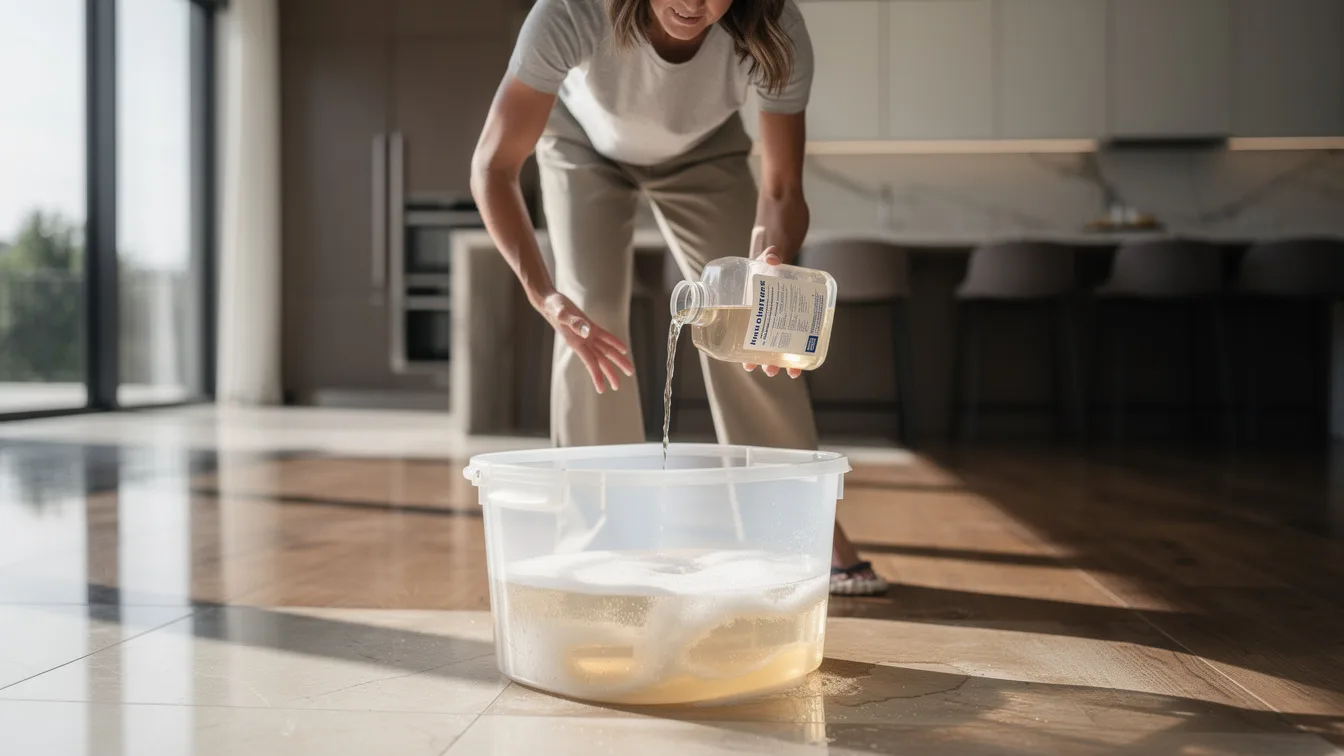

When it comes to home cleaning, there’s something incredibly satisfying about watching your floors transform from dull and grimy to sparkling and fresh. It’s like painting a worn canvas anew, breathing life back into your living space. This January, as we all embark on our New Year’s resolutions—whether that’s decluttering the house or simply creating a cleaner environment—let’s focus on that often-overlooked cleaning ritual: mopping. More specifically, what you can add to your mop bucket that will not only make your floors look new but also prolong their life and enhance your overall cleaning experience.
Highlights
- ✨ Dish Soap & Vinegar: A powerful combo for versatile cleaning.
- 🍋 Lemon Juice & Peels: Freshens up your floors naturally.
- 🧼 Rubbing Alcohol: Puts the spark back in your sealed floors.
- 🔄 Essential Oils: Elevates your cleaning routine with delightful scents.
- 🌱 Baking Soda: Tackles stubborn stains effortlessly.
Did you know that mopping at least once a week can help reduce germs and dirt buildup, saving you time and money on deep cleans? 🧼
The Power of Simple Additions
Let’s start with the fundamentals. The elements you include in your mop bucket are crucial for effective floor care. Household staples can do wonders when combined properly. For example, a few drops of dish soap mixed with warm water is a classic. Not only does it dissolve dirt and grease, but it also works effectively on a variety of surfaces—from tile and linoleum to sealed wood.
However, don’t go overboard with soap; just five to six drops per gallon of water will do wonders. A good tip? Always follow up with a rinse of hot, plain water to remove any residue. This will prevent the slippery film that can accumulate from too much soap. Utilizing this mix every week can save time in the long run by reducing those dreaded deep cleaning sessions.
The Surprising Benefits of Vinegar
Vinegar is another must-have for your mop bucket—thanks to its natural grease-cutting properties. Its acetic acid content makes it a powerhouse in breaking down unwanted grime. For optimal results, dilute half a cup of vinegar in a gallon of water. One thing to note: while vinegar is excellent for hard surfaces like tile, it’s not your best friend when it comes to hardwood floors due to its acidity.
If you’re worried about the strong smell of vinegar, fear not; it dissipates quickly as it dries, leaving behind nothing but a clean scent. And it’s a more environmentally friendly option compared to harsh chemical cleaners. Imagine knowing you’re doing your part for the planet while also achieving squeaky-clean floors.
Elevating Cleanliness with Essential Oils
Ever wanted your cleaning sessions to smell like a spa retreat? Adding a few drops of essential oils to your mop bucket can transform the mundane task of cleaning into a fragrant experience. Lavender, eucalyptus, or even tea tree oil not only adds a pleasant aroma but also boasts antimicrobial properties, making your mop water even more effective in fighting germs.
To create a refreshing blend, combine a teaspoon of your chosen essential oil with your regular mop water solution. Just be cautious with the amount; you only need a small quantity to achieve that aromatic boost. Not only will your floors look fantastic, but your entire home will smell divine! 🌺
When in Doubt, Add Some Baking Soda
Baking soda is a cleaning MVP. Known for its deodorizing qualities, this staple can be particularly effective on stubborn stains, especially on tile and vinyl. Just add half a cup of baking soda to a gallon of warm water for a gentle yet effective cleaning solution. Its mildly abrasive nature helps lift grime without damaging your floor surfaces.
What’s great about baking soda is that it’s non-toxic, making it safe for households with pets and children. Plus, unlike more chemical-laden products, it doesn’t leave behind harmful residues. So, mopping with it not only cleans but also contributes to a healthier home environment.
Rubbing Alcohol—Your Sanitizing Sidekick
Let’s talk about rubbing alcohol. Known for its germ-busting capabilities, just a cup added to a gallon of mop water will make your floors sparkle while also disinfecting them. It’s particularly effective on sealed tiles and vinyl flooring.
One of the best parts of using rubbing alcohol? There’s no need for rinsing! Just let the solution sit for a little while to maximize germicidal benefits. Many cleaning experts recommend this mix for its efficiency. It transforms your mopping experience while ensuring your floors are not just clean, but sanitized. Think of it as a dual-action cleaning hack!
Why Not Go the Extra Mile with Commercial Cleaners?
However, no matter the cleaner you choose, remember to change your mop water frequently. Mopping with dirty water does nobody any good; it’s like running the same dishcloth over your counter again and again. Fresh water equals a fresh clean! Taking your mopping game to the next level is all about knowing what to add to your mop bucket. The right mix ensures your floors not only look stellar but also stay healthy and long-lasting. So as we settle into the rhythms of 2026, let’s kick off the new year with floors that not only shine but also reflect our dedication to cleanliness and care. Remember, clean floors lead to a clean mind!