
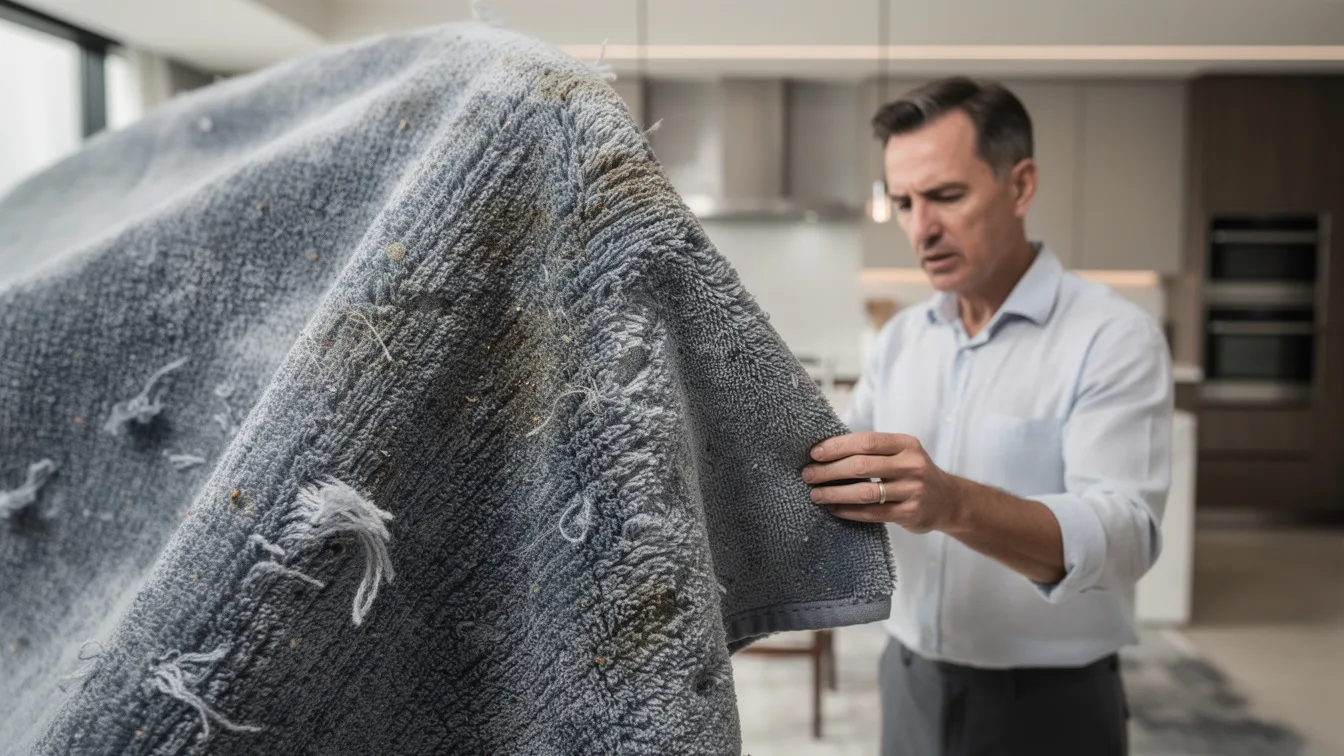

Hidden Dangers of Microfiber Cloths: What You Need to Know! 🧼💔
Microfiber cloths have become a staple in our homes, heralded for their effectiveness in cleaning and drying. Yet, beneath their innocent facade lies a startling truth that many consumers remain blissfully unaware of. As we step into 2026, the conversation around these popular cleaning tools must shift from mere convenience to a critical examination of their impact on our health and the environment. Let’s dive deeper into why microfiber cloths can pose significant dangers!
Environmental Impact: The Microfiber Problem 🌍⚠️
At the crux of the issue is the environmental impact of microfiber cloths. These products, comprised of synthetic fabrics like polyester and nylon, shed microplastics every time they’re used or washed. A 2020 study revealed that a single wash can release up to 700,000 microplastic fibers into the ocean. With billions of these fibers floating around in our waters, they accumulate in marine life, ultimately making their way back into our food chain. The ramifications are staggering, not just for wildlife but for human health as well.
So, what’s actually happening in rivers and oceans? Microplastics are notorious for their persistence; they break down into smaller particles but never truly disappear. This means they can seep into ecosystems, disrupting the delicate balance of nature and posing serious risks to aquatic flora and fauna.
Health Risks: A Closer Look at Chemical Exposure 🧪⚠️
While we often rely on microfiber cloths to keep our homes clean, few consider the toxic materials that these cloths carry. Microfiber cloths can harbor harmful chemicals from their manufacturing process, including the very plastic fibers that are so detrimental to our planet. When we use these cloths, especially on surfaces where food is prepared, there’s a risk of transferring these toxic residues into our diets.
The potential for chemical exposure doesn’t end there. Research shows that prolonged contact with damp microfiber can lead to dermal absorption of microplastics and associated toxins, increasing the risk of various health issues, including endocrine disruption and respiratory problems. This raises alarming questions: What are we really bringing into our homes under the guise of cleanliness?
Consumer Awareness: The Missing Link 🔍🤔
Despite the clear dangers, consumer awareness around microfiber cloths remains shockingly low. Many individuals believe they are choosing the “safer” alternative for cleaning, but the reality is much more nuanced. The marketing of these products often glosses over the environmental repercussions and health risks associated with their use.
In this age of information, it’s our responsibility to dig a little deeper. We should be asking: What materials are in these cloths? How are they processed? And what happens to them after we’ve used them? Consumer awareness is pivotal. We need to educate ourselves about the materials we allow into our homes and their long-term effects on both our health and our planet.
Alternatives and Solutions: Going Green in Your Cleaning 🧽🌱
As we recognize the household hazards posed by microfiber cloths, let’s turn to safer alternatives. Natural materials, like organic cotton or biodegradable fibers, can perform just as well without the detrimental side effects associated with microplastics. Look for eco-friendly brands that prioritize sustainable production methods, providing a responsible cleaning solution that is kinder to the environment.
- 🌿 Organic Cotton Towels: Soft, durable, and free from synthetic chemicals.
- 🌿 Bamboo Cloths: Biodegradable and highly absorbent, offering a great eco-friendly alternative.
- 🌿 Linen Cloths: Naturally antimicrobial, these can be an excellent choice for kitchen and dining.
Opting for these alternatives may require a bit of a mindset shift, but the benefits far outweigh the convenience of microfiber cloths. Not only do you reduce your carbon footprint, but you also protect your family from harmful chemicals.
Final Thoughts: Taking Action for Change 🔄💡
The hidden dangers of microfiber cloths are not to be underestimated. With the new year upon us, let’s be proactive about making informed choices. By embracing alternatives, spreading awareness, and pressuring manufacturers to rethink their practices, we can foster a cleaner, safer environment—for ourselves and future generations. Whether it be through social media campaigns, community education programs, or personal purchases, every effort counts in paving the way for change.