
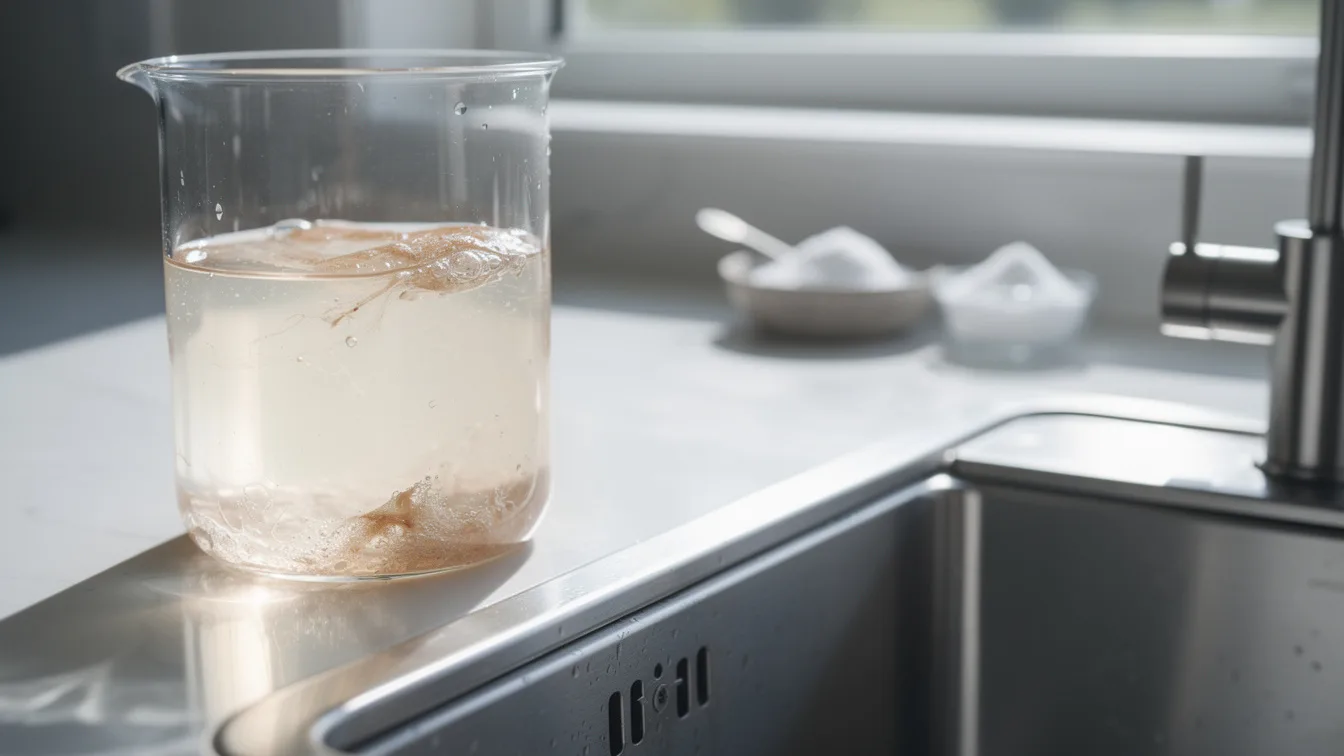

Ever had that moment when the kitchen sink suddenly becomes a sluggish mess? It’s a common frustration that strikes most households at some point, leaving us desperate for a quick fix. While many of us still reach for the classic duo of vinegar and baking soda, there’s a surprising contender that’s quietly winning over the drain-cleaning community: a simple half glass of dish soap.
Highlights
- 🍽️ Effective Method: Half a glass of dish soap combined with hot water can efficiently clean your drains.
- 🔧 Environmentally Friendly: This technique utilizes household ingredients, making it a gentler alternative.
- 💧 Prevention Over Cure: Regular use can help avoid future clogs.
- 👃 Odor-Free: Unlike vinegar, this method keeps the kitchen smelling fresh.
Did you know? Over 70% of homeowners use vinegar and baking soda to clean their drains, but many are now turning to simpler, more effective methods.
Why the Change? Understanding Drain Dynamics
Clogs don’t just appear overnight. They gradually accumulate from a mixture of soap scum, grease, food particles, and hair. Visualize this: the remnants of last night’s pasta clinging stubbornly to the sides of your pipes. Each bit that gets flushed down becomes a tiny adhesive, attracting more debris over time.
It’s easy to see why standard methods can fall short. When vinegar and baking soda are combined, the fizzing action may seem impressive, but it primarily works at the surface level. The deeper grease deposits often remain untouched, leading to the frustrating experience of a temporary fix rather than a lasting solution.
Here, the half-glass trick comes into play; it delivers a targeted, sustained release of cleansing agents that actually penetrate these buildup layers. The key is the surfactants in dish soap, which break down grease effectively, providing a comprehensive cleaning rather than a mere sparkle.
How to Use This Method
Here’s the beauty of this hack: it’s incredibly straightforward. Start by measuring out half a glass—about 100-125 ml—of liquid dish soap. If the room temperature is chilly, warming it slightly for 10 seconds will help.
Next, pour it slowly into the drain, ensuring it hugs the pipe walls rather than just plopping down the center. This method allows the soap to effectively infiltrate the buildup. Then comes the waiting game: allow it to sit for 15–30 minutes. During this time, the soap does its magic by clinging to the greasy film.
Finally, flush everything with very hot water from the kettle or tap, steering clear of boiling water on PVC pipes to prevent any damage.
- 🌡️ Tip: Always aim for hot, but not boiling, to maintain pipe integrity.
- ⏰ Patience is Key: Let it do its thing for a solid 15-30 minutes!
The Magic of Salt and Hot Water
For those days when your sink feels particularly clogged, don’t underestimate the power of mixing salt with hot water. Although the fizzing of vinegar is captivating, salt acts as a mild abrasive, effectively scrubbing the inner walls of your pipes as hot water helps dissolve any layered grease.
In fact, a 2023 study by the American Cleaning Institute showcased that salt combined with hot water can remove organic buildup from household drains more sustainably than many commercial products. This surprising finding points to just how effective these simple, natural cleaners can be compared to harsher alternatives.
The Importance of Routine Maintenance
So, why should you adopt this habit regularly? Using household ingredients like dish soap and salt not only tackles existing clogs but also helps prevent future ones. Establishing a regular cleaning routine not only extends the lifespan of your plumbing but also mitigates the need for expensive repairs down the line.
Many homeowners have echoed similar sentiments online, sharing stories of consistent success with this simple technique. For example, home cleaning expert Melissa Maker emphasizes in her popular videos how this tactic can easily maintain a clear kitchen drain without fuss.
If a tough clog emerges despite these efforts, it’s worth noting that physically clearing the siphon or using a plumber’s snake might be necessary. But remember, a gentle preventative routine beats a frantic emergency fix any day!
Real-Life Success Stories
As the soap settled into the stubborn residue, you enjoyed an episode of your favorite show, completely forgetting about the sink. Ten minutes later, you rinsed it with hot water, and like magic, the flow was back to normal. It wasn’t just satisfying; it was almost thrilling. A small, quiet victory in life’s everyday battles. Sharing these experiences fosters a sense of community. Have you found success with the half-glass trick? Perhaps you have another personal favorite you swear by. Let’s bring together all those wonderful cleaning hacks! As more and more individuals express concerns about chemical exposure in their homes, opting for eco-friendly cleaning practices simply becomes common sense. The half-glass trick embraces safe ingredients found right in your kitchen. It’s time to break free from those harsh chemicals that pose risks to both your health and your plumbing. Imagine enjoying a peaceful evening without worrying about chemical residue lurking in your drains or the kitchen. This eco-friendly approach not only promotes a healthier living environment but also aligns perfectly with current trends emphasizing sustainable practices in home care. Remember, every time you pour that half glass, you’re opting for a solution that is effective, easy, and kind to both your pipes and the planet. Switching to this half-glass method might feel like a small change, but trust me—it’s a game changer in drain cleaning. You’ll soon find that maintaining your home has never been easier or more environmentally friendly. So next time you’re faced with the sinking feeling of a clogged drain, remember: ditch the fizz, trust the soap, and let it do the heavy lifting.Why You Should Ditch the Chemicals