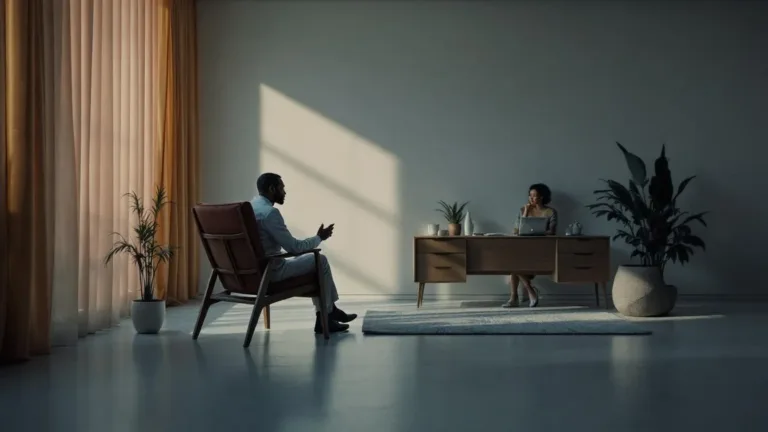
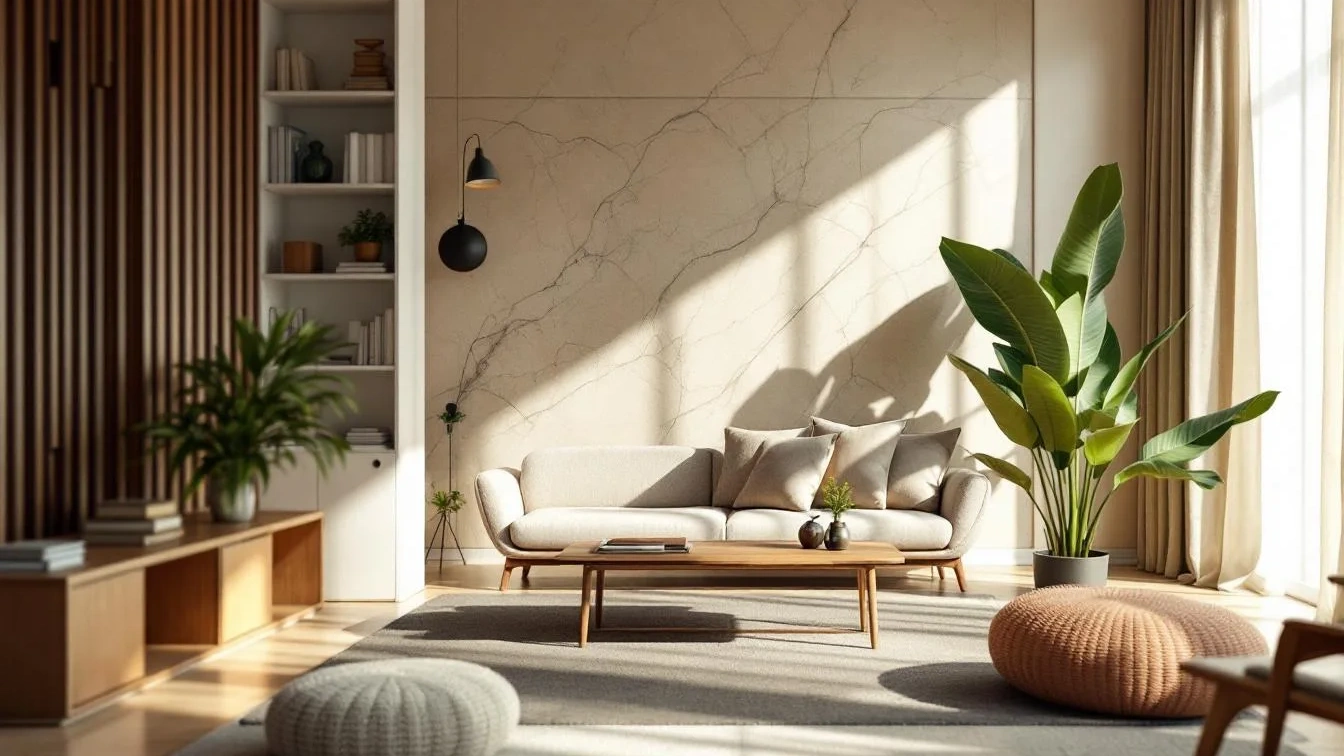

As I sip my morning coffee, I can’t help but notice how my open-plan home is slowly morphing into a chaotic maze of sound and distractions. What once felt like an airy oasis is now a battlefield of clanging dishes, thumping video games, and my dog’s incessant barking. Are open-plan homes truly the epitome of modern living, or have they lost their charm? Let’s dive deeper into why these floor layouts are failing many families.
Highlights
- Privacy Issues: Open plans drastically reduce personal space. 🏡
- Noise Levels: Sound travels freely, making work-from-home life a challenge. 🎧
- Cooking Chaos: Smells and mess are on full display, often causing frustration. 🍳
- Design Challenges: It’s harder to create distinct zones, impacting aesthetics. 🎨
The Decline of Privacy
One of the biggest downsides of open-plan living is the lack of privacy. When everyone is crammed into one large space, it’s tough to find a moment of solitude. Imagine trying to take a conference call while the kids are playing video games and the TV blares in the background. It’s not exactly the tranquil work environment we crave, is it? As Sabrina Phillips, a leading contractor, puts it, “Without walls to buffer sound, even everyday activities can become disruptive.”
For modern families juggling work, school, and the day-to-day chaos, privacy is essential. I can say firsthand that nothing feels more liberating than closing a door for some peace. And when you live with multiple generations or work-from-home, distinct spaces for different activities can make or break your sanity.
The Noise Factor
It’s no secret that open spaces amplify sound. The lack of walls means that noise carries throughout your home, creating an echo chamber that can be incredibly annoying. My living room often transforms into an orchestra of dish clattering, TV sounds, and occasionally, a neighborhood dog barking three houses down. The result? A cacophony that makes it nearly impossible to concentrate.
In this age of remote work, the demand for quiet environments is rapidly increasing. Phillips emphasizes, “Open floor plans…offer little separation for quiet work, watching movies, or having a private conversation.” Consider how significant a quiet home office can be for productivity. In contrast, a traditional layout allows for sound containment, letting everyone coexist peacefully. 🎶
The Cooking Smell Dilemma
Ever fried bacon for breakfast and immediately regretted it? In an open-plan space, cooking aromas seep into every room, lingering long after breakfast has ended. I’ve learned the hard way: Nothing quite says “welcome” like a whiff of last night’s fish dinner. 😬
For those with allergies or sensitive noses, this can be a significant drawback. A separate kitchen with doors can help contain odors, keeping the rest of the home fresh and inviting. As more families prioritize comfort, the appeal of enclosed kitchens is making a comeback.
The Trouble with Defining Spaces
Creating distinct zones within an open layout is challenging, often leading to clutter and chaos. Even with strategically placed furniture, it’s tough to designate a “work zone” from a “play zone.” As a designer, I can empathize with the struggle; maneuvering furniture to visually separate spaces can feel like a game of Tetris on steroids. 🎮
What’s more frustrating is the lack of creative freedom in design. In a traditional layout, you can play with various styles—imagine having a bold, red dining room and a soothing blue living room. But in a single, flowing space, there’s pressure to maintain a cohesive look that stifles individuality. It’s not just about aesthetics; it’s about functional living—creating an environment that embodies your family dynamics, needs, and priorities.
Why Individual Rooms Are Making a Comeback
Interestingly, the popularity of traditional layouts is on the rise again. As my friends and I engage in discussions about home design, it becomes clear that more families are looking for privacy and defined spaces. Whether it’s for remote work or just to keep the living room less chaotic, the desire for separate rooms is growing stronger. Many homeowners prefer the ability to isolate areas for different activities, like having a cozy reading nook or an office. 📚
Moreover, as energy prices rise, the practicality of traditional layouts shines. Homes with defined rooms can be heated or cooled more efficiently, reducing utility bills in the long run. A closed door can make all the difference, making a living space feel more organized, inviting, and ultimately functional.
Your Family, Your Space
So, are you feeling the weight of the open-plan lifestyle? If you find yourself occasionally yearning for a bit more privacy or a room that can breathe without interruptions, you’re not alone. Embracing traditional floor layouts allows for a better quality of life, rich family interactions, and the ability to enjoy quiet spaces whenever you need them.
If you’re contemplating a home redesign, consider how these insights can enhance your family dynamics. Your living space should align with your values and lifestyle. Let’s start the conversation—what do you prioritize when designing your home?