
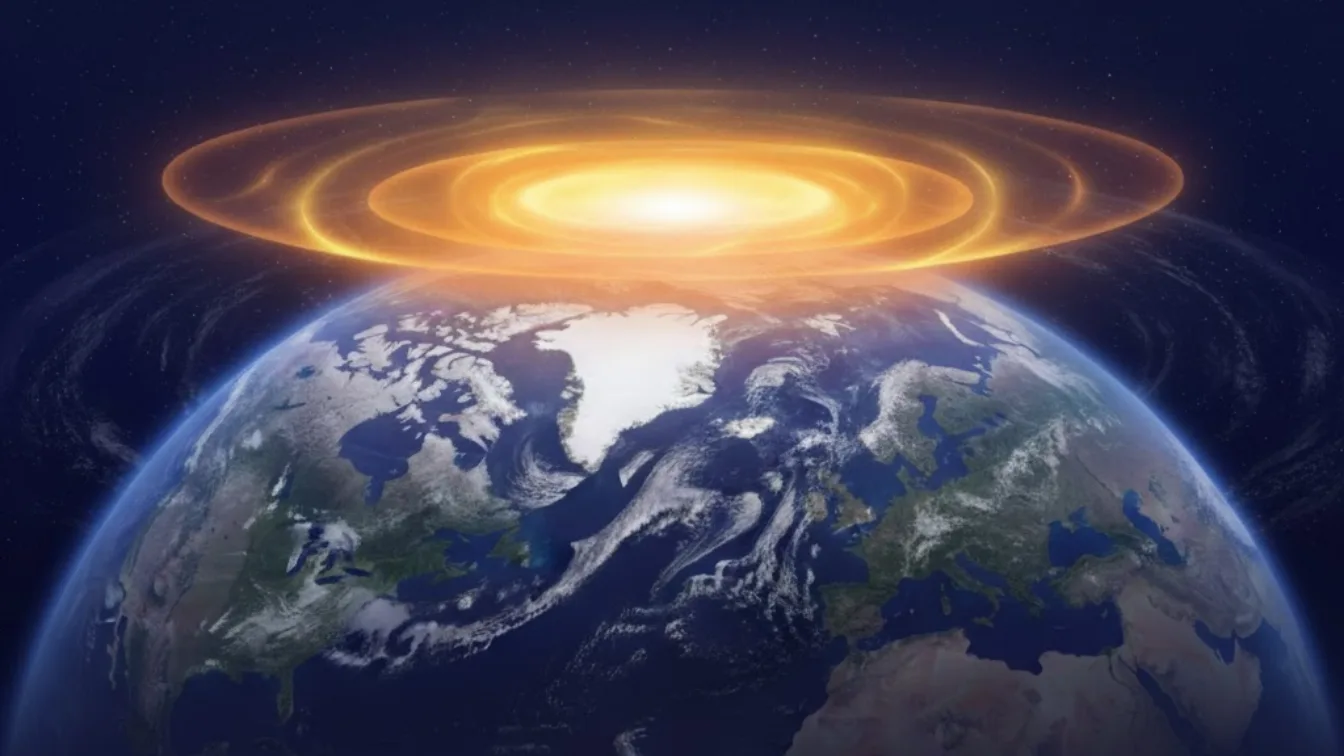

As I sit here on the cusp of winter, there’s an unusual tension in the air—an edge to the chill that feels almost electric. What’s behind it? Let’s ponder the hidden forces at play in our atmosphere, particularly the recent surge of stratospheric warming that may just flip our winter weather patterns upside down. This phenomenon is not just a nerdy weather term; it’s a potentially game-changing event that might reshape the way we think about winter this season.
Highlights
- Understanding Stratospheric Warming: This event can disrupt the polar vortex, a major player in winter weather. 🌪️
- Polar Vortex Dynamics: A breakdown of how stratospheric events relate to surface weather. ❄️
- Recent Observations: Insights into current and future weather impacts seen from this year’s warming event. 📊
- Global Connections: How events in the Southern Hemisphere can influence Northern Hemisphere winters. 🌍
A surprising fact: A sudden stratospheric warming (SSW) event can raise temperatures in the stratosphere by over 30°F in just a matter of days!
Understanding the Stratospheric Warming Event
Sudden stratospheric warming is a term that sounds daunting, but breaking it down helps. Essentially, it describes an abrupt temperature surge in the stratosphere—which occurs when atmospheric waves disrupt the polar vortex. Think of it as a major shake-up that forces cold air downwards, plunging areas that are normally milder into a deep freeze. This connection between atmospheric layers is crucial to understand how and why our weather can swing drastically.
Interestingly, not every warming in the stratosphere qualifies as a “sudden stratospheric warming” event. It must exhibit distinct characteristics, including a reversal of winds, which is significant for its impact. The potential for dramatic cold spells during the winter season hinges on these stratospheric changes—offering either a stifling or a refreshing jaunt depending on how they play out.
Polar Vortex: The Hidden Force
The polar vortex is the main character in this winter weather saga. Imagine it as a giant cyclone dancing above the North Pole, its movements deeply intertwined with the jet stream and weather patterns down below. When the polar vortex is stable, we typically enjoy a relatively consistent winter, with predictable cold fronts. However, when disruptions occur, we witness flip-flopping weather that can lead to intense cold snaps and unpredictable storms across the continent.
For instance, during a past event in January 2024, the weakened polar vortex triggered extreme cold weather across the Midwest and Northeast U.S. It was a bitter reminder of just how interconnected our atmosphere can be and how disturbances high above can cascade down to affect our wintertime experience.
Current Observations and What Lies Ahead
As we head into January 2026, early indicators suggest a new stratospheric warming event is on the horizon over the Southern Hemisphere. Typically rarer than in the Northern Hemisphere, this could still exert influence on our winter. The warming has already created pressure waves in the stratosphere that forecast models show intensifying, potentially leading to significant impacts on weather patterns across the globe.
The implications are profound: disturbances that ripple out can manifest as shifts in temperature or storm patterns weeks later in the Northern Hemisphere. This means that, after a lag period, we may feel the repercussions of these warming waves during the harshest parts of our winter months. For anyone in the Midwest or Northeast, it’s worth keeping an eye on evolving forecasts.
Global Connections: The Southern Hemisphere’s Influence
You might wonder why events so far away matter to us. Simply put, the two hemispheres communicate through atmospheric science channels, especially during winter. When conditions change in the Southern Hemisphere, that can set off changes in the jet stream, which then impacts our winter weather across the U.S. The dynamic nature of our atmosphere acts like a global highway, with disturbances in one area influencing the other.
Research indicates that disturbances noted in the Southern Hemisphere can trigger changes globally—even affecting temperatures and weather patterns months later in the Northern Hemisphere. For example, studies following a significant warming event over the South Pole demonstrated notable changes in temperatures across parts of Europe and the U.S. in subsequent months. This interconnected web is a potent reminder of how the Earth’s systems interact.
Take Charge of Your Winter Weather Awareness
Ready to stay informed this winter? Bookmark this page and join the conversation about climate change, atmospheric patterns, and how nature unfolds around us. Your comfort during the chilly months may depend on the whispers high above in our atmosphere. Embrace the season while being aware of the underlying dynamics that affect our home. Stratospheric events might sound complex, but understanding them gives us the tools to adapt and prepare. Let’s enjoy winter, with all its surprises!